


A full forecast typically looks out over 12 – 24 months, or even longer depending on the size and maturity of the business, versus budgeting, which is usually for the current fiscal year. They estimate revenues and expenses, and set clear financial goals for a company. These guidelines help maintain control over a company’s finances and ensure that resources are allocated efficiently. Once the budget is set, financial forecasts can be created and updated to help management see if they’re on track to achieve their goals. They help manage financial risks and develop action plans to achieve targets. The current article provides a very brief overview of their primary functions and differences.
Budgeting: explained

A forecast is a financial tool that reflects real-time estimates of financial results based on dynamic execution of your strategic plan. High-growth companies with a long-term lens — such as startups — will https://www.bookstime.com/ benefit from sound forecasting. You need historical data and data from the current market scenario to get a specific idea. Businesses with no historical data can set their goals using industry averages.
Financial Forecast
- Map out the inflow and outflow of cash to ensure you have enough liquidity to meet the expenses.
- For instance, if you haven’t launched your product yet, you can survey customers to estimate how many people would buy and at what price.
- A forecast is a financial tool that reflects real-time estimates of financial results based on dynamic execution of your strategic plan.
- A budget sets specific targets and provides a roadmap for allocating resources and managing cash flow.
If your gross margins have been cyclical or seasonal, for example, you can forecast that your gross margin will behave similarly over the next several months. Similarly, if you’ve been investing in areas to improve profitability, you might assume that gross margins will continue to increase. Using both judgment forecasting and quantitative forecasting allows a small business to get the most accurate take on what the fiscal year might bring.
- This type of financial statement is more fully covered in our pro forma financial statements article.
- Jim Mancuso, CFO and COO at Chosen Foods, observed that the finance team spent excessive time manually pulling data instead of analyzing it, which took time away from decision-making.
- Budgeting and financial forecasting should work in tandem with each other.
- Be aggressive and include every expense category to keep your budgets relevant.
- As an advisor, you can turn your savvy with numbers into a wonderful offering to your small business clients by applying this knowledge in your Strategic Advising practices.
- Traditionally, forecasts and projections required finance teams to pull up a spreadsheet, build a model, and manually input financial data.
- There are many upsides to budgeting, but the most important one is it is a sure-fire way to score idea-viability.
Forecasting methods
While this is an effective form of forecasting, investors should know that pro forma statements don’t typically comply with generally accepted accounting principles (GAAP). A common type of forecasting in financial accounting involves using pro forma statements. Pro forma statements focus on a business’s future reports, which are highly dependent on assumptions made during preparation, such as expected market conditions. A small business owner should know the sales goals for the year, the direct expenses needed to support them, and the overhead costs and other fixed expenses of their business. But when it comes to budgets versus forecasts, a well used and updated forecast can take the place of a budget. A budget is an income and spending plan that outlines the revenue and expenses in a business over a certain period of time.

Shareholders must be reassured that a business has been, and will continue to be, successful. In order to build the full picture, the forecast is based on all the elements of the underlying business model. Besides revenue and expenses, things like capital expenditures and debt servicing, and even elements like strategic partners and other resources are considered. If your clients are asking for help with budgeting, they may not appreciate the difference between an operational budget and a strategic forecast for long-term growth. Use that as an opportunity to flex your advisory muscles and teach them the difference. As an advisor, you can turn your savvy with numbers into a wonderful offering to your small business clients by applying this knowledge in your Strategic Advising practices.
For instance, if your business typically has a slow month, a forecast will show you that in the numbers. If you have always thought of your business budget and your business forecast as one and the same, you’re not alone. Forecasts and budgets are two different, yet equally important, financial animals. Here, we will explain everything you need to know about financial forecasting vs. projecting.
- Consider enrolling in Financial Accounting—one of three courses comprising our Credential of Readiness (CORe) program—to learn how to use financial principles to inform business decisions.
- Financial forecasting refers to the process of leveraging current and historical data to more accurately project future business performance.
- In a lot of organizations, management prepares a budget and assigns it to specific departments by the management.
- Harvard Business School Online’s Business Insights Blog provides the career insights you need to achieve your goals and gain confidence in your business skills.
- Use your budget as a benchmark and strive to meet the expectations within it consistently.
What is Forecasting?
A forecast is based on business drivers, like unit sales, hours billed, or memberships sold. Those drivers, once revealed and documented, can be tracked and measured, which allows the business owner to stay on top of very practical targets month by month. Finally, targets differ from budgets and forecasts as they represent specific and measurable goals. To illustrate, a company eyes a marketing budget of $100,000, updates it to $120,000 (forecast) per changing conditions, and then targets to raise it further by 20% to $144,000.
- You can use a budget vs forecast actual template to compare the actual results with the budgeted targets.
- Ultimately, a good financial plan provides a top-down operational framework to explore various scenarios.
- This guide will help you understand the difference between financial forecasts vs. projections and when each can help you communicate with stakeholders.
- Forecasting is a company’s way of preparing for the future by determining expectations.
- For example, if you just launched a new product in a new market, there’s little or no actual data to rely on.
- On Feb 1st, the firm creates an updated forecast, covering projections for Feb to May (Forecast v2).
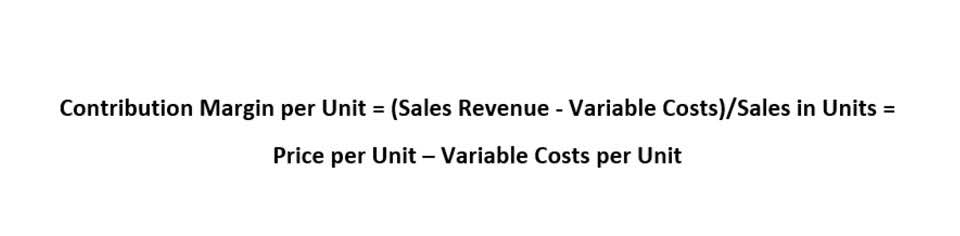
Assuming the same growth rate over the next year, this is how future revenue might look like in 2024. For this year’s budget, they’ve set a SMART goal of a 30% revenue increase, i.e. $3.9M. While most people consider budgets and forecasts to be the same, they are quite different. As the business grows, owners may find themselves stuck in managing everyday business operations. They might fail to plan financially resulting in stagnation or declining growth over time. When conducting market research, begin with a hypothesis and determine what methods are needed.

Tips to improve budgets and forecasts
But what do your financials look like if you over- or under-hire according to plan? You can create financial projections to communicate the impact of different scenarios to your partners in the business. A budget is made for a budget vs forecast vs projection specific period and is usually based on past trends or experiences of the company. A financial forecast examines a company’s current financial situation and uses the information to forecast whether or not a budget will be met.


