

If you are concerned that confronting your coworker, even with respect, will be offensive or confrontational, it is best to speak to a supervisor or human resources employee. Regardless of whether you speak to the individual first, an employee drinking at work should be reported. HR staff are aware of both employee rights and alcohol in the workplace laws and can act accordingly.

Will the drunk worker receive any kind of insurance or compensation when injured at the workplace?
One effective strategy is identifying drinking cues, as habits comprise cues, routines, and rewards. Recognizing the specific triggers that lead to after-work drinking can help individuals break the cycle by altering their routine to avoid these cues or replace the habit with a healthier activity. Understanding what makes someone addicted to alcohol can be the first step in helping a person seek treatment. Depending on how bad their alcohol misuse has been or if medically-assisted alcohol detox will be needed for withdrawal symptoms, entering a treatment center may be a necessary option. Professional medical staff can assist in the difficult process of withdrawal, making the transition into sobriety less daunting. The rise of non-alcoholic options is not just a passing trend; it’s part of a larger movement towards mindful drinking.

Long-term acetaminophen use may boost blood pressure
It can also be difficult for the body to process, putting extra pressure on the liver, the digestive system, the cardiovascular system, and other functions. Aeroplanes have become bigger and faster but their impact on the climate has also increased. While HR can establish codes of conduct employees must abide by, there will still be limitations on all employee actions outside the workplace. If a circumstance of this nature were to arise, it should be addressed and handled by HR. A number of studies have looked at alcohol use among specific racial and ethnic populations, including Black, Indigenous, and People of Color (BIPOC) communities.
What effects does alcohol have on health?
- If one of your employees is struggling with this disease, you might be tempted to fire him or her.
- Only trained and licensed medical professionals can provide such services.
- Employers cannot discriminate against you for your past drug or alcohol use.
- It’s commonly recommended that you drink eight 8-ounce (237-mL) glasses of water per day (the 8×8 rule).
- There are serious disadvantages to drinking on the job, making it imperative to take such a situation seriously.
Consuming several drinks in a short time causes the alcohol builds up in the body. And among younger generations particularly, there’s more willingness to experiment with cutting down alcohol consumption and trying sobriety, in their personal and professional lives. In a survey of 4,000 UK students by Bright Network, a graduate careers and employment specialist, 45% of respondents said alcohol shouldn’t play a role in work social activities. Supervisors should not drink with, or purchase drinks for, a subordinate unless all employees are invited. Today, this sort of gathering occurs frequently, but it could increase the chances of the worker-supervisor relationship becoming somewhat muddled.
There are a lot of people who genuinely believe twelve step programs are the only way to stop drinking. When in reality, there are countless communities and collectives that successfully help people quit substances while taking an inclusive approach to recovery. Corrosion is a dissolving or wearing away of metal caused by a chemical reaction between water and your plumbing. To address corrosion of lead risks of drinking after work and copper into drinking water, EPA issued the Lead and Copper Rule (LCR) under the authority of the Safe Drinking Water Act. One requirement of the LCR is corrosion control treatment to prevent lead and copper from contaminating drinking water. Corrosion control treatment means utilities must make drinking water less corrosive to the materials it comes into contact with on its way to consumers’ taps.
- “I think there are certain types of alcohol that people might be more likely to consume in excess, which is particularly deleterious,” says Dr. Manson.
- Alcohol withdrawal after periods of excessive drinking can cause debilitating symptoms hours to days later.
- No content on this site, regardless of date, should ever be used as a substitute for direct medical advice from your doctor or other qualified clinician.
- Among those aged 25 to 34 years, deaths due to cirrhosis have been increasing annually by more than 10%, largely due to alcohol consumption.
- To weigh the risks and benefits of breastfeeding, mothers should contact their doctors.
- But the problem with this is that everyone’s threshold is a little different and it’s hard to know when your liver is suffering.
Finding Treatment for Alcohol Addiction
There are a few other things to be mindful of in terms of your consumption of alcohol and its effects on your exercise performance. On the other hand, another study found that consuming 71 g of alcohol, which is roughly equivalent to the amount found in five beers, did significantly impair the rates of liver protein synthesis. It probably comes as no surprise that the amount of alcohol you consume after a workout plays a significant role in how much that post-workout drink will affect your body and impede your gains. There’s also some evidence to suggest that drinking alcohol immediately after endurance exercise can impair glycogen resynthesis.
Physical Signs of Alcohol Use at Work
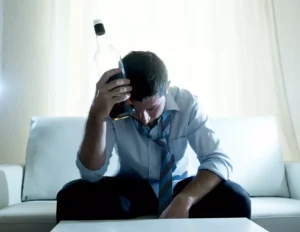
Alcohol can have a serious effect on the developing brain, from fetal development to the end of adolescence. If a woman consumes alcohol during pregnancy, the child may be born with fetal alcohol syndrome (FAS). In 2015, this was believed to affect between 2 and 7 newborns in every 1,000. Alcohol affects every body system, so it can cause health problems throughout the body. Around 88,000 people in the U.S die from alcohol-related causes every year.


